Courses
Home - Courses

Abacus
An abacus is a calculation tool that enhances mental math skills, improves concentration, and boosts memory and problem-solving abilities, ultimately fostering a strong foundation in mathematics and overall cognitive development.
Here’s a more detailed look at the benefits of learning with an abacus:
Benefits of Abacus Learning:
Enhanced Mental Math Skills:
Abacus training helps children develop a strong understanding of numbers and mathematical operations, enabling them to perform calculations mentally with speed and accuracy.
- Improved Concentration and Focus:
- The process of using an abacus requires focused attention and concentration, which can translate into better focus in other areas of learning.
- Boosted Memory Retention:
By visualizing the movement of beads and performing calculations on the abacus, children develop a stronger memory for numbers and mathematical concepts.
- Enhanced Problem-Solving Abilities:nAbacus learning encourages children to think critically and creatively to solve problems, fostering analytical and problem-solving skills.
- Development of Fine Motor Skills: Manipulating the beads on the abacus helps develop fine motor skills and hand-eye coordination.
- Increased Confidence in Mathematics: As children become proficient in using the abacus, they gain confidence in their mathematical abilities, leading to a more positive attitude towards learning.
- Stronger Academic Foundation: Abacus training can contribute to a stronger foundation in mathematics, which can lead to better overall academic performance.
- Visual and Auditory Memory Development: Learning with an abacus helps in developing both visual and auditory memory, as students learn to recall numbers while listening and remember the position of numbers on the abacus.
- Creativity and Imagination:
The abacus can also help children develop their creative thinking and imagination, as they learn to visualize mathematical concepts and problems.
- Logical and Analytical Thinking:
Abacus training encourages children to think logically and analytically, as they learn to understand the relationships between numbers and mathematical operations.
The Abacus is an ancient calculating tool used to perform basic arithmetic operations such as addition, subtraction, multiplication, and division. It consists of a rectangular frame with rods or wires holding movable beads, which represent place values like units, tens, and hundreds. Originating in Mesopotamia and widely used in China, the abacus remains relevant in modern education for its cognitive benefits. Learning abacus enhances mental arithmetic skills by training students to visualise and manipulate numbers mentally, even without the physical tool. It significantly improves memory, concentration, and problem-solving abilities. The hands-on method engages both hemispheres of the brain, fostering creativity and analytical thinking. Over time, students develop speed and accuracy in calculations, boosting confidence and academic performance. More than just a math tool, the abacus is a gateway to sharper cognitive development and lifelong learning.

Vedic Maths
Vedic Maths is an ancient system of mathematical techniques that simplifies calculations, enhances mental agility, and improves problem-solving skills, offering benefits like faster calculations, reduced mental stress, and a deeper understanding of mathematical concepts.
Here’s a more detailed look at Vedic Maths and its benefits:
What is Vedic Maths?
- Ancient Origins: Vedic Maths, also known as Vedic Mathematics, is a system of mathematical techniques that originated from the Vedas, ancient Indian scriptures.
- Focus on Mental Calculation: It emphasizes mental calculations and shortcuts, allowing for faster and more accurate problem-solving.
- Sutras: Vedic Maths uses 16 sutras (formulas) and 13 sub-sutras (sub-formulas) to simplify complex calculations.Benefits of Vedic Maths:
- Enhanced Calculation Speed and Accuracy: Vedic Maths techniques can significantly speed up calculations, allowing students to solve problems faster and more accurately.
- Improved Mental Agility: The focus on mental calculations enhances mental agility, concentration, and memory.
- Reduced Mental Stress:
Vedic Maths simplifies complex calculations, reducing the mental stress associated with traditional methods.
- Deeper Understanding of Math Concepts:
By focusing on the underlying principles, Vedic Maths promotes a deeper understanding of mathematical concepts.
- Increased Confidence: As students become proficient in Vedic Maths techniques, they gain confidence in their mathematical abilities.
Improved Problem-Solving Skills: Vedic Maths encourages logical thinking and problem-solving skills, which are valuable in various areas of life.
- Appreciation for Mathematics:The ease and efficiency of Vedic Maths can make mathematics more enjoyable and engaging for students.
- Applications in Daily Life: Vedic Maths techniques can be applied to everyday tasks such as budgeting, shopping, and cooking.
- Improved performance in competitive exams: Students who learn Vedic Mathematics have said to perform better in competitive exams such as CAT.
- By using Vedic maths, the problems are solved mentally with the use of few or some of steps which increase accuracy and reduces mistake Through the application of the sutras, it ensures both speed and accuracy and enhances computational skills. It is strictly based on rational and logical reasoning.1
Vedic Maths is an ancient system of mathematics derived from the Vedas, offering simplified techniques for complex calculations. It is based on 16 sutras (formulas) and sub-sutras that make arithmetic operations such as addition, subtraction, multiplication, and division faster and more efficient. Originating in ancient India, this method emphasizes mental math, reducing dependency on calculators and traditional methods.
Learning Vedic Maths enhances speed and accuracy in solving mathematical problems. It strengthens logical thinking, improves memory, and boosts concentration by engaging both the left and right hemispheres of the brain. The techniques are versatile, applicable across various mathematical concepts, from basic arithmetic to advanced algebra and geometry. By simplifying calculations, Vedic Maths builds confidence in students and reduces math anxiety, making it an invaluable tool for competitive exams and everyday problem-solving. It’s not just about numbers—it’s a powerful approach to holistic brain development.
Vedic Maths is an ancient Indian mathematical system designed to simplify calculations through logical and creative approaches. It uses concise sutras (formulas) that make solving problems faster and more intuitive. This method is especially beneficial for enhancing mental arithmetic, improving focus, and building confidence in mathematics. Vedic Maths is widely used in competitive exams due to its ability to save time and simplify even the most complex equations. It’s a bridge between traditional techniques and modern mathematical applications, making math accessible and enjoyable for all learners.
Robotic
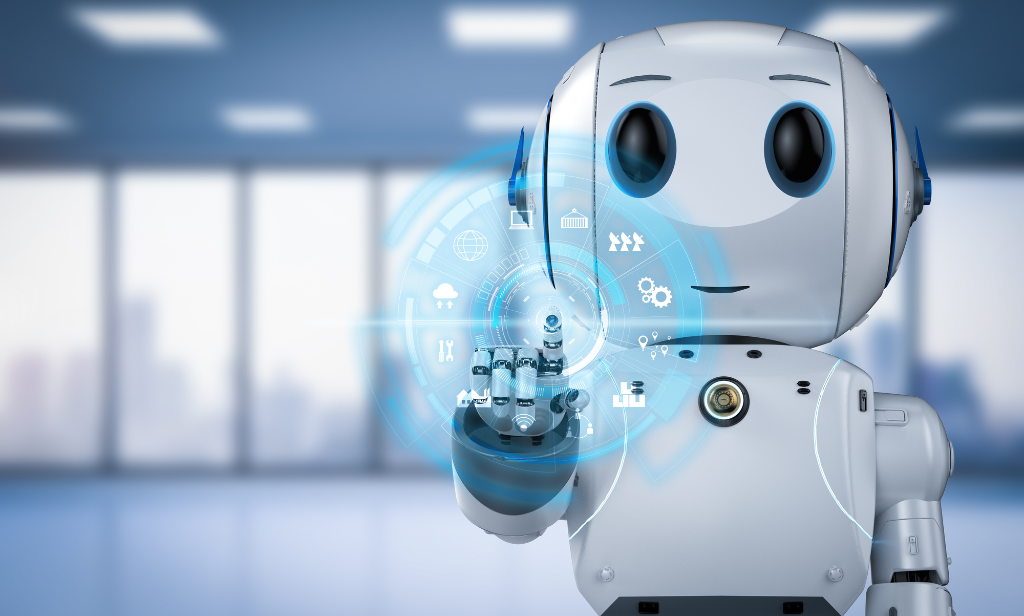
Robotics is an interdisciplinary field that combines engineering, computer science, and technology to design, build, and operate robots. Robots are automated machines capable of performing tasks traditionally done by humans, either independently or under programmed instructions. Robotics integrates mechanical systems, sensors, artificial intelligence, and control systems to create intelligent machines that can interact with their environment. Robotics utilizes math in crucial ways, from programming algorithms to understanding robot behavior, and its study offers benefits like enhanced problem-solving and critical thinking skills, as well as promoting STEM education and fostering creativity.
Robotics offers numerous benefits, including increased productivity, efficiency, and safety, particularly in manufacturing, healthcare, and exploration, while also aiding in environmental sustainability and education.
Here’s a more detailed look at the benefits of robotics:
- Enhanced Productivity and Efficiency:
- Faster and Continuous Operation: Robots can work at high speeds and continuously, unlike humans who require breaks and rest, leading to increased output.
- Reduced Cycle Times: Robotic applications often result in shorter cycle times, meaning products reach consumers faster.
- Optimized Production Lines: Industrial robots ensure a steady flow of production, increasing outputs and achieving a higher return on investment.
- Automation of Repetitive Tasks:
- 1- Robots can automate repetitive and mundane tasks, freeing up human workers for more complex and creative work.
- 2- Improved Safety and Reduced Risks:
- 3- Increased Accuracy and Precision:
- Working in Hazardous Environments: Robots can be deployed in dangerous or hazardous environments where human presence is unsafe, such as chemical factories, radiation zones, or space exploration.
- Reduced Worker Injuries: By automating tasks that involve heavy lifting, repetitive motions, or exposure to dangerous materials, robots can minimize the risk of worker injuries.
- Minimizing Human Error: Robots are programmed for accuracy and high repeatability, reducing the risk of human errors and improving product quality.
- Consistent Quality: Robots can perform tasks with high precision and consistency, leading to improved product quality.
- Manufacturing of Microelectronics: Robots are used in the manufacturing of microelectronics due to their high accuracy.
- Automated Quality Control: Robots can be used for automated quality control, ensuring that products meet specific standards.
- Cost Reduction and Efficiency:
- Reduced Labor Costs:By automating tasks, robotics can reduce labor costs and improve efficiency.
- Lower Operational Costs:Robotics can cut operational costs by as much as 25-50%.
- Quick Return on Investment (ROI):Robots can save companies money in the long run with quick ROIs.
- Environmental Benefits:
- Energy Efficiency:Robots can help improve energy efficiency in various industries.
- Waste Reduction:Robotics can contribute to waste reduction through lean manufacturing and efficient warehouse management.
- Enhanced Recycling:Robots can be used to improve recycling processes.
- Sustainable Packaging:Robotics can contribute to more sustainable packaging solutions.
Robotics in Education and Skill Development:
- Fostering STEM Skills:Robotics can help students develop skills in critical thinking, problem-solving, and creativity, preparing them for future STEM careers.
- Computational Thinking:Educational robots help children develop computational thinking skills at an early age.
- Teamwork and Collaboration:Robotics projects can foster teamwork and collaboration skills.
Robotics in Healthcare:
- Less Invasive Procedures:
Robots can assist surgeons in performing less invasive procedures, reducing pain and recovery time for patients.
- Robotic Surgery:
Robots can provide surgeons with enhanced precision and dexterity, leading to better surgical outcomes.
- Rehabilitation:
Robots can be used in rehabilitation to help patients regain lost function.
Robotics in Exploration:
- Space Exploration: Robots can explore dangerous or remote environments, such as outer space, providing valuable data and insights.
- Ocean Exploration: Robots can explore the ocean depths, helping scientists understand the marine environment.
- .
This field is crucial in industries such as manufacturing, healthcare, space exploration, and entertainment, where precision and efficiency are essential. For students, learning robotics fosters critical thinking, problem-solving, and creativity while providing hands-on experience with cutting-edge technologies. It is a gateway to understanding automation, coding, and artificial intelligence, equipping learners with skills for a tech-driven future.
Memory Science
Memory science explores how memories are formed, stored, and retrieved, with benefits including improved learning, enhanced creativity, and better cognitive function, as well as a deeper understanding of our own identities and experiences.
Here’s a deeper dive into the science of memory and its benefits:
The Science of Memory:
- Memory as a Process: Memory is not a static recording of the past, but an active and cyclical process involving the brain representing different aspects of an event in various regions.
- Brain Regions Involved: The hippocampus plays a crucial role in forming and retrieving memories, acting as a blueprint for reconstructing past experiences.
- Memory Formation: Memories are formed through the creation of connections between neurons, called synapses, which become stronger with practice and repetition.
- Types of Memory: Short-term memory:Holds information for a brief period.
- Working memory:Allows us to manipulate information in our minds.
- Long-term memory:Stores information for extended periods.
- Explicit memory:Consciously recalled facts and events.
- Implicit memory:Unconscious memories, such as procedural skills.
- Factors Affecting Memory: Stress, sleep deprivation, and certain health conditions can negatively impact memory function.
Benefits of a Trained Memory:
- Improved Learning and Knowledge: A stronger memory allows for more efficient learning and retention of information, leading to increased knowledge and understanding.
- Enhanced Creativity: A well-trained memory can fuel creativity by allowing individuals to access a wider range of information and ideas.
- Better Cognitive Function: Improving memory can lead to better focus, problem-solving skills, and overall cognitive performance.
- Enhanced Emotional Well-being: Preserving cherished memories can have a positive impact on mental health, fostering emotional well-being and strengthening social connections.
- Improved Self-Esteem: Engaging with memories can boost self-esteem and provide a sense of continuity and purpose.
- Better Decision-Making: Being able to recall relevant information from the past can help in making more informed decisions.
- Reduced Risk of Cognitive Decline:
Maintaining a healthy memory through exercise and mental stimulation can help reduce the risk of cognitive decline as we age.
- Understanding of Identity and Self:
Memories shape our sense of self and help us understand who we are and where we come from.
- Improved Relationships: Remembering important events and details about loved ones can strengthen relationships.
- Enhanced Creativity: When people can remember vast amounts of information, they can use it to fuel their creativity and come up with more nuanced and thoughtful ideas.
Memory is the cognitive ability to encode, store, and retrieve information. It is a fundamental brain function that allows individuals to retain knowledge, experiences, and skills over time. Memory is typically divided into three main types: sensory memory, which briefly holds sensory information; short-term memory, which temporarily stores information for immediate use; and long-term memory, where information is stored for extended periods.
Memory plays a crucial role in learning, decision-making, and problem-solving. It is influenced by various factors, including attention, emotion, repetition, and association. Techniques like visualization, mnemonics, and regular practice can enhance memory capacity. Strong memory skills are essential for academic success, personal development, and adapting to new challenges in life.
STEM Education
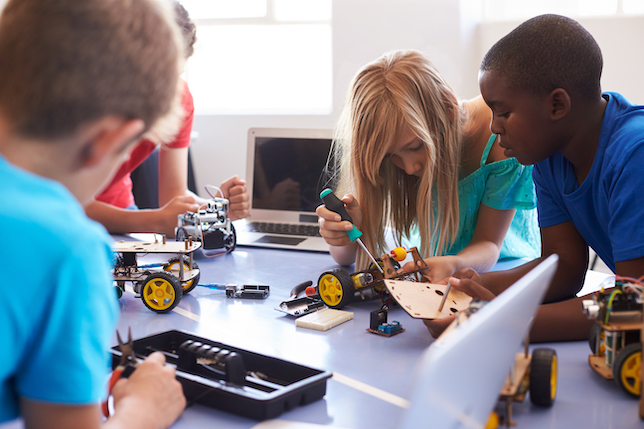
Education is an interdisciplinary teaching approach that integrates Science, Technology, Engineering, and Mathematics to foster critical thinking, problem-solving, and innovation. It emphasizes hands-on learning and real-world applications, encouraging students to explore, experiment, and collaborate. STEM education equips learners with the skills needed for a technology-driven world, preparing them for careers in fields like robotics, coding, biotechnology, and engineering.
STEM (Science, Technology, Engineering, and Mathematics) education equips students with valuable skills and knowledge, preparing them for future careers and fostering innovative thinking, problem-solving, and critical thinking abilities.
Here’s a more detailed look at the benefits of STEM education:
Educational Benefits:
- Enhanced Knowledge Retention and Understanding:
STEM education promotes a deeper understanding of theoretical concepts through hands-on, practical learning experiences.
- Development of Essential Skills: STEM education fosters critical thinking, problem-solving, creativity, collaboration, and communication skills, which are highly valued in various fields.
- Increased Media and Scientific Literacy:
STEM education helps students develop the ability to critically evaluate information and apply their knowledge to real-life situations.
- Preparation for College and Careers:
STEM education provides a strong foundation for pursuing higher education and careers in STEM fields, as well as other fields that require analytical and problem-solving skills.
Workplace Benefits:
- Increased Employability: STEM skills are in high demand in today’s job market, making STEM graduates more competitive and better prepared for future careers.
- Preparation for Innovative Work Environments: STEM education equips individuals with the skills and knowledge to thrive in dynamic and rapidly evolving workplaces.
- Fostering Collaboration and Teamwork: STEM projects often involve collaborative work, which helps students develop important teamwork and communication skills.
- Building Confidence and Resilience: STEM education encourages students to embrace challenges, learn from mistakes, and develop resilience, which are crucial for success in any field.
- Addressing Global Challenges: STEM fields are critical in addressing global challenges such as climate change, healthcare improvements, and sustainable energy solutions.
- By focusing on inquiry-based and project-oriented learning, STEM nurtures curiosity and creativity, making subjects more engaging and relevant. It develops core competencies such as analytical thinking, teamwork, and adaptability, which are essential in both academic and professional settings. STEM education is a key driver of innovation, empowering students to become future-ready problem solvers and leaders.
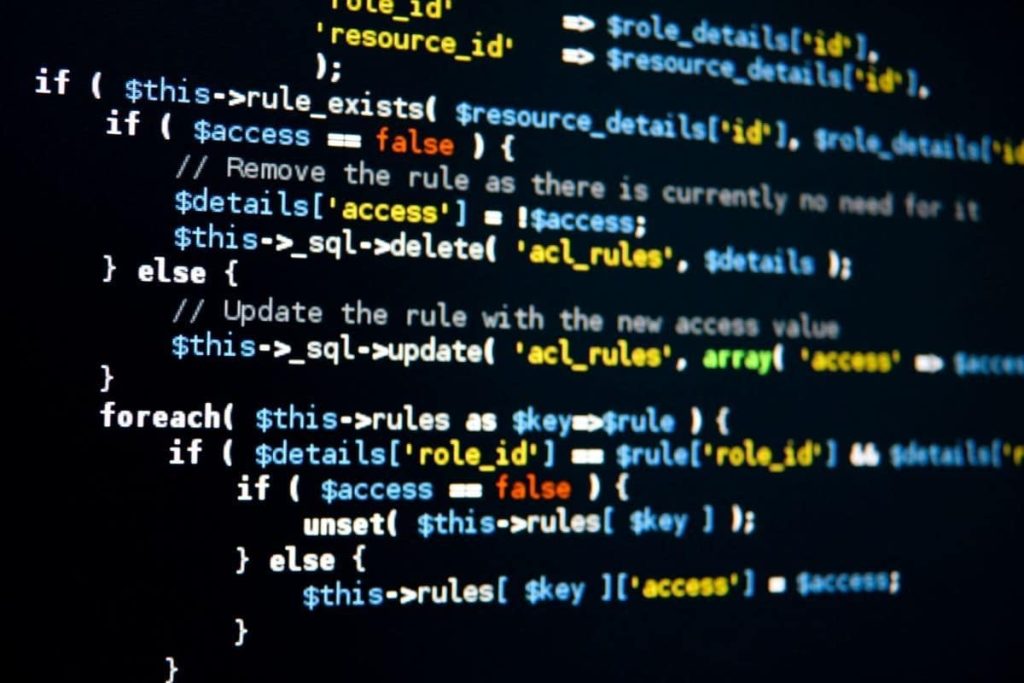
Coding
Coding offers numerous benefits, including enhanced problem-solving skills, increased creativity, and improved logical thinking, making it valuable for both personal and professional development. Here’s a more detailed look at the benefits of coding:
Skills Development:
- Problem-Solving:
Coding requires breaking down complex problems into smaller, manageable steps, fostering strong problem-solving abilities.
- Logical Thinking:
The structured nature of coding encourages logical thinking and reasoning, essential for various fields.
- Creativity:
Coding allows for creative expression and the ability to bring ideas to life through programming.
- Computational Thinking:
Coding introduces computational thinking, a valuable skill for understanding and interacting with technology.
- Persistence and Resilience:
Debugging and troubleshooting code can build persistence and resilience, as learners learn from mistakes and find solutions.
- Collaboration:
Many coding projects involve teamwork, fostering collaboration and communication skills.
Career Opportunities:
- Increased Demand: Coding skills are highly sought after in various industries, leading to diverse career paths.
- Higher Earning Potential: Professionals with coding skills often command higher salaries and enjoy greater job security.
- Flexibility: Coding skills can open doors to freelance or remote work opportunities.
- Career Advancement: Coding can help individuals advance in their current careers or pursue new roles in technology or related fields.
Beyond the Technical:
- Understanding Technology: Coding helps individuals understand how technology works, empowering them to make informed decisions and engage with the digital world.
- Lifelong Learning: Coding is a skill that can be learned at any age, providing opportunities for continuous learning and personal growth.
- Enhanced Confidence: Successfully completing coding projects can boost confidence and self-esteem.
- Creativity and Innovation: Coding allows individuals to create and innovate, transforming ideas into tangible products or service
Coding, also known as programming, is the process of creating instructions that a computer can follow to perform specific tasks. These instructions are written in programming languages such as Python, Java, C++, or HTML, which translate human logic into a form computers understand. Coding is the backbone of modern technology, powering everything from websites and apps to software, artificial intelligence, and robotics.
Learning coding develops logical thinking, problem-solving skills, and creativity, as it requires breaking down complex problems into manageable steps. It empowers individuals to build tools, automate processes, and create digital solutions for real-world challenges. Coding is not just about writing code—it’s about understanding how technology works and shaping it to innovate, communicate, and transform ideas into reality. It is a crucial skill in today’s tech-driven world, opening doors to countless career opportunities

NLP
Neuro-Linguistic Programming (NLP) is a psychological approach that explores the connection between neurological processes (neuro), language (linguistic), and behavioral patterns learned through experience (programming). It focuses on understanding how people think, communicate, and act, enabling them to make positive changes in their thoughts, emotions, and behaviors.
Neuro-Linguistic Programming (NLP) is a set of techniques that aims to connect neurological processes, linguistic processes, and behavioral patterns to achieve specific goals, potentially improving communication, self-awareness, and overall well-being.
Here’s a more detailed look at NLP:
What is NLP?
- Definition: NLP explores the relationship between our thoughts, language, and behaviors, suggesting that by understanding and changing these patterns, we can achieve desired outcomes.
- Key Principles: Neuro:Refers to the mental, emotional, and physical aspects of our neurology.
- Linguistic:Focuses on the language and communication patterns we use with others.
- Programming:Considers the emotions, thoughts, and life experiences that impact our present life.
- Goal: To help individuals improve their communication, self-awareness, confidence, and overall well-being.
NLP is widely used for personal development, improving communication skills, and achieving specific goals. It employs techniques like reframing thoughts, anchoring positive emotions, and modeling successful behaviors to help individuals overcome limitations and build confidence. Practicing NLP enhances emotional intelligence, decision-making, and interpersonal skills. It is especially beneficial in areas like public speaking, leadership, therapy, and education, empowering individuals to unlock their full potential and lead more fulfilling lives.

Public Speaking
Public speaking teaches you to focus on others’ thoughts and feelings, essential for effective leadership. Empowering Others – Public speaking empowers you to express important ideas and help others do the same. By speaking up, you inspire others to share their thoughts and become leaders themselves.
Public speaking is the art and practice of effectively delivering a message to an audience. It involves the ability to communicate ideas, share information, or persuade listeners in a clear, engaging, and confident manner. Public speaking is a critical skill used in various settings, such as conferences, meetings, classrooms, and social events, to influence, educate, or inspire an audience.
This skill combines verbal and non-verbal communication techniques, including voice modulation, body language, and eye contact, to enhance the impact of the message. Mastering public speaking helps build confidence, improve articulation, and develop leadership and interpersonal skills. It also fosters the ability to think on one’s feet and adapt to diverse audiences, making it an essential tool for personal and professional growth.
Public speaking is the ability to address an audience with clarity, confidence, and purpose. It involves crafting a compelling message and delivering it in a way that resonates with listeners. Effective public speaking not only informs but also inspires action, making it a powerful tool for communication. It enhances self-expression, builds credibility, and creates meaningful connections with audiences. Public speaking is a transformative skill that boosts confidence and opens doors to countless opportunities in personal and professional life.
Calligraphy is the art of beautiful, stylized handwriting or lettering, created using special tools like pens, brushes, or markers. Rooted in ancient traditions, it blends artistic expression with the precision of form and technique. Calligraphy involves crafting each stroke with care, focusing on shapes, spacing, and flow to create visually appealing text.

Calligraphy
Calligraphy is the art of beautiful writing, offers numerous benefits, including improved focus, enhanced creativity, stress relief, and the development of fine motor skills. It can also be a meditative practice, fostering mindfulness and relaxation.
Here’s a more detailed look at the benefits:
- Enhanced Focus and Concentration: Calligraphy requires careful attention to detail, improving focus and concentration.
- Improved Fine Motor Skills: The precise movements needed for calligraphy can help develop and refine fine motor skills.
- Stress Relief and Relaxation: The meditative nature of calligraphy can be calming and stress-relieving.
- Increased Creativity: Calligraphy encourages creative expression and exploration of different styles and techniques.
- Improved Handwriting: Practicing calligraphy can lead to better everyday handwriting.
- Mindfulness and Relaxation: Engaging in calligraphy can be a calming and meditative experience, promoting mindfulness and relaxation.
- Personalization and Artistic Expression: Calligraphy adds a personal touch to gifts, cards, and other creative projects.
- Cognitive Benefits: Calligraphy can stimulate brain activity, improve memory, and enhance cognitive function.
- Cultural Appreciation: Calligraphy is an important part of many cultures, offering an opportunity to explore different writing styles and traditions
- Beyond its aesthetic value, calligraphy enhances patience, focus, and fine motor skills. It is widely used in design, invitations, logos, and decorative art, offering a creative outlet that combines tradition with modern artistry. Calligraphy transforms ordinary writing into a form of artistic expression that resonates across cultures and time.
- Calligraphyis a graceful art form that transforms handwriting into a visual masterpiece. It involves the deliberate shaping of letters and strokes, creating harmony and balance in every word. This creative practice not only enhances the beauty of text but also reflects the personality and emotion of the artist. Calligraphy has been cherished for centuries, from ancient manuscripts to modern-day designs, showcasing its timeless relevance. It offers a blend of tradition and innovation, making every piece a unique expression of art and culture.

DMIT
The Dermatoglyphics Multiple Intelligence Test (DMIT) aims to assess an individual’s innate talents and learning styles through fingerprint analysis, offering insights for education, career planning, and parenting, though its scientific validity is debated.
What is DMIT?
- Definition: DMIT is a test that analyzes fingerprint patterns (dermatoglyphics) to identify an individual’s innate talents, learning styles, and personality traits, drawing on the concept of multiple intelligences.
- How it works: The test involves analyzing fingerprint patterns, specifically the arrangement of ridges and furrows, to determine potential strengths and weaknesses.
- Purpose: DMIT aims to help individuals understand their unique potential, guide educational choices, and inform career planning.
Benefits of DMIT:
Understanding Innate Talents: DMIT can help individuals identify their natural strengths and abilities.
- Tailored Educational Guidance: The test can help parents and educators understand a child’s learning style and tailor educational approaches accordingly.
- Career Planning: DMIT can provide insights into an individual’s aptitudes and preferences, aiding in career decision-making.
- Enhanced Parenting Strategies: The test can help parents understand their child’s personality and tailor their parenting approach to foster their child’s strengths.
- Improved Interpersonal Relationships:
DMIT can help individuals understand their own and others’ strengths and weaknesses, leading to better communication and relationships.
- For Children: DMIT can help parents and educators discover a child’s genius, understand their learning style, and improve parent-child relationships.
- Scientific Validity:
- Debate: The scientific validity of DMIT is a subject of debate, with some organizations, like the Indian Psychiatric Society, stating that it lacks scientific evidence.
- Lack of Evidence: There is limited scientific evidence to support the claims made by DMIT practitioners regarding the accuracy and effectiveness of the test.
Cost:
- The cost of a DMIT test can vary depending on the location and the experience of the counselor, typically ranging from Rs. 2000 to Rs. 8,000.
(Dermatoglyphics Multiple Intelligence Test) is a scientific method used to assess an individual’s innate talents, personality traits, and learning styles by analyzing the patterns of fingerprints. Dermatoglyphics, the study of fingerprint patterns, is linked to the development of the brain, providing insights into a person’s natural potential and multiple intelligences as described by Dr. Howard Gardner’s theory.
DMIT helps identify strengths and weaknesses, cognitive abilities, and preferred learning methods, making it a valuable tool for personal and professional growth. It is widely used in education, career counseling, and parenting to guide individuals toward their ideal paths. By understanding one’s unique abilities through DMIT, people can make informed decisions to unlock their full potential and achieve greater success in life.

Handwriting
Handwriting offers numerous cognitive and emotional benefits, including enhanced learning and memory, improved focus, and reduced stress, while also fostering creativity and self-expression.
Here’s a more detailed look at the benefits of handwriting:
Cognitive Benefits:
- Improved Memory and Learning:
Writing by hand engages more brain regions than typing, leading to better memory and comprehension.
- Enhanced Focus and Concentration:
The slower, more deliberate nature of handwriting encourages deeper processing of information, improving focus and concentration.
- Boosted Critical Thinking:
Handwriting forces you to think more thoroughly about the information you’re recording, promoting critical thinking and analysis.
- Enhanced Note-Taking and Comprehension:
Students who take notes by hand tend to retain information better than those who type, as handwriting encourages active engagement with the material.
- Improved Literacy and Reading Comprehension:
Writing by hand strengthens the connection between visual and motor skills, which can improve literacy and reading comprehension.
Emotional and Psychological Benefits:
- Reduced Stress and Anxiety:
The act of writing can be a calming and therapeutic activity, helping to reduce stress and anxiety.
- Increased Self-Awareness and Reflection:
Handwriting can facilitate self-expression and reflection, allowing individuals to explore their thoughts and emotions.
- Enhanced Creativity and Imagination:
The tactile nature of handwriting can stimulate creativity and imagination, allowing for more fluid and expressive thinking.
- Sense of Accomplishment and Connection:
Receiving handwritten notes or letters can evoke feelings of warmth, appreciation, and connection.
Other Benefits:
- Develops Fine Motor Skills:Handwriting helps develop fine motor skills and hand-eye coordination.
- Can Aid in Learning for Students with Dyslexia:Cursive writing can be easier for dyslexic students to learn and read.
- Helps with Goal Achievement:Writing down goals and to-do lists can help with organization and achieving desired outcomes.
- Can be a Form of Therapy:Writing can be a form of therapy, allowing individuals to process their thoughts and emotions.